| Mo Monday | Tu Tuesday | We Wednesday | Th Thursday | Fr Friday | Sa Saturday | Su Sunday |
|---|---|---|---|---|---|---|
|
27
Monday, 27. April 2026
|
28
Tuesday, 28. April 2026
|
29
Wednesday, 29. April 2026
|
30
Thursday, 30. April 2026
|
1
Friday, 1. May 2026
|
2
Saturday, 2. May 2026
|
3
Sunday, 3. May 2026
|
|
4
Monday, 4. May 2026
|
5
Tuesday, 5. May 2026
|
6
Wednesday, 6. May 2026
|
7
Thursday, 7. May 2026
|
8
Friday, 8. May 2026
|
9
Saturday, 9. May 2026
|
10
Sunday, 10. May 2026
|
|
11
Monday, 11. May 2026
|
12
Tuesday, 12. May 2026
|
13 Wednesday, 13. May 2026 |
14
Thursday, 14. May 2026
|
15
Friday, 15. May 2026
|
16
Saturday, 16. May 2026
|
17
Sunday, 17. May 2026
|
|
18
Monday, 18. May 2026
|
19 Tuesday, 19. May 2026 | 20 Wednesday, 20. May 2026 | 21 Thursday, 21. May 2026 |
22
Friday, 22. May 2026
|
23
Saturday, 23. May 2026
|
24
Sunday, 24. May 2026
|
|
25
Monday, 25. May 2026
|
26
Tuesday, 26. May 2026
|
27 Wednesday, 27. May 2026 |
28
Thursday, 28. May 2026
|
29
Friday, 29. May 2026
|
30
Saturday, 30. May 2026
|
31
Sunday, 31. May 2026
|
Seeds travel. Embedded in ballast soil, sheep wool, and coffee sacks, they traveled thousands of kilometers—along the same trade routes where goods were plundered, people enslaved, and territories appropriated. The lecture examines what adventive plants and neophytes reveal about the entanglements of botany and colonial history.
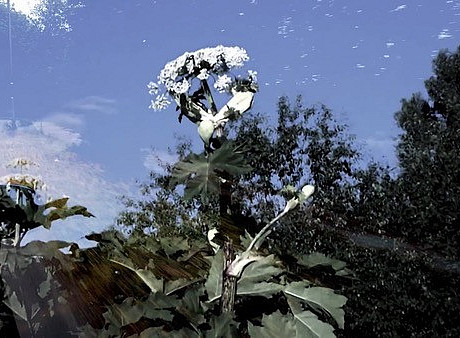
The starting point for this investigation is the herbarium of adventive plants at the Übersee-Museum in Bremen—a collection of over 900 species of adventive plants that documents the botanical consequences of colonial trade infrastructures. Building on this, two contemporary art projects that artistically interrogate this relationship are analyzed: Seeds of Change (1999–2019) by Maria Thereza Alves germinates ballast soil from European and North American port cities, revealing what official archives conceal. Bending Towards Obscure (2025) by Bubu Mosiashvili traces the history of Giant Hogweet—from ornamental plant of colonial botanical science to criminalized neophyte—and interprets its marginalization, drawing on Mbembe, Povinelli, and Glissant, as a political act. Both projects combine archival research with botanical fieldwork. They treat plants not as metaphors, but as autonomous actors within a continuum.