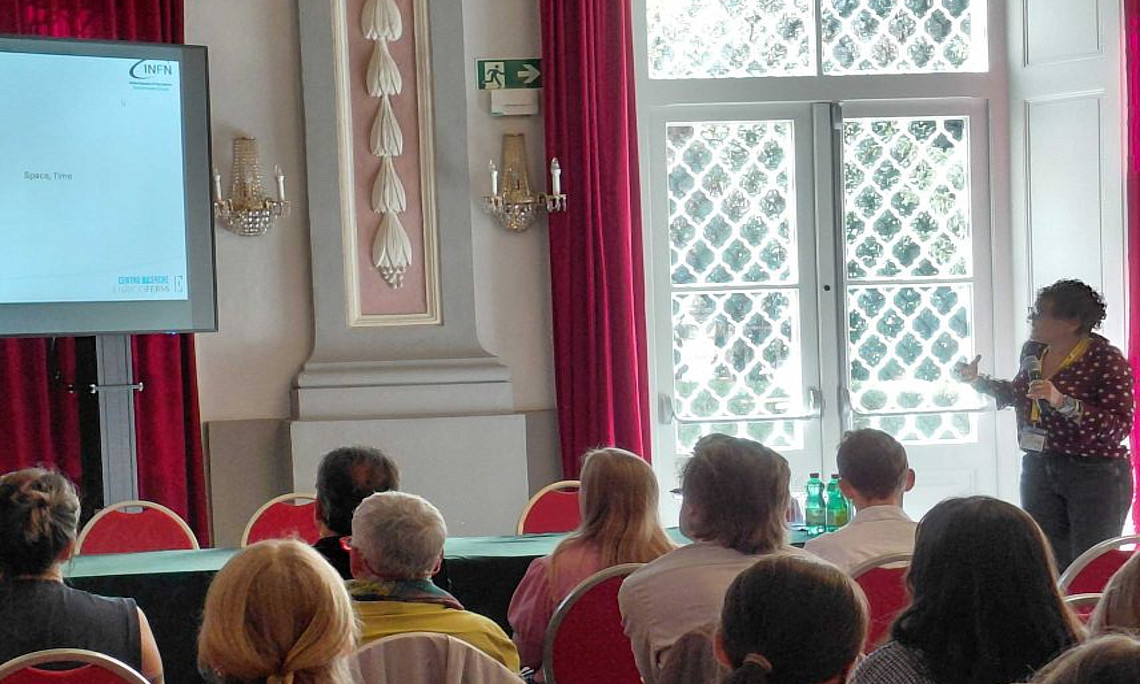
In art history, phrases such as ‘after life’ and ‘after nature’ imply a certain relationship between images and their subjects, between art and nature. On the one hand, this at least suggests a direct, close and, in a sense, trustworthy referential relationship – perhaps even a kind of truth inherent in the image. On the other hand, however, such expressions in various languages tend to imply a particular effect that images have on us – as if the images in question were, aesthetically speaking, to come close to the experience of nature and the living. This lecture explores this tension and, thereby, the broader question of historical relationships between art and the experience of nature, creative processes, media and living existence.
Begin of page section:
Page settings:
End of this page section. Go to overview of page sections
Begin of page section:
Search:
Close
End of this page section. Go to overview of page sections
Search
Begin of page section:
Main navigation:
Page navigation:
- University
University
Developing solutions for the world of tomorrow - that is our mission. Our students and our researchers take on the great challenges of society and carry the knowledge out. - Research Profile
Research Profile
Scientific excellence and the courage to break new ground. Research at the University of Graz creates the foundations for making the future worth living. - Studies
Studies
- Community
Community
The University of Graz is a hub for international research and brings together scientists and business experts. Moreover, it fosters the exchange and cooperation in study and teaching.
End of this page section. Go to overview of page sections
Begin of page section:
You are here:
University of Graz Faculty of Humanities Department of Art History and Musicology News Lecture by Robert Felfe in Paris
End of this page section. Go to overview of page sections
Begin of page section:
Additional information:
End of this page section. Go to overview of page sections