

In her dissertation, she examines how artists' involvement in theatrical productions in Florence around 1600 shaped artistic creation and self-perception. The Florentine archives' unexpected discoveries shifted the focus of her work in a productive way. The focus is now increasingly on the materials, craftsmen and collaborative practices that made courtly spectacle possible in the first place. This also raises the question of what 'artistic creation' even meant in this context.
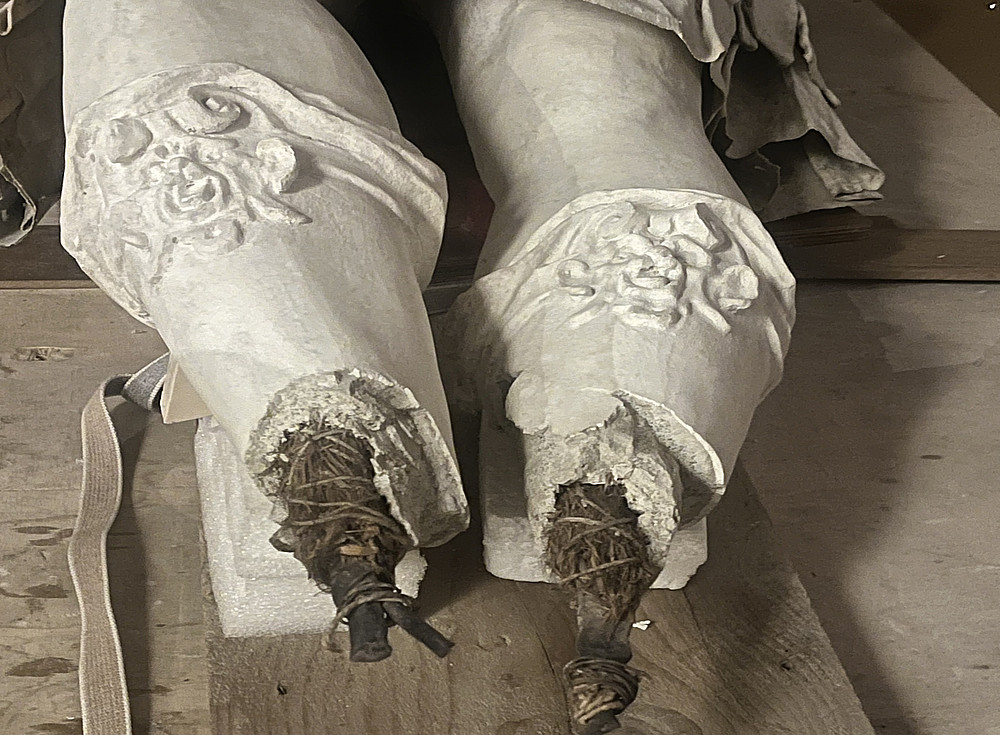
Lists of inventory and expenses, contracts related to procurement, and records from workshops – what initially seemed to be merely administrative documents turned out to be highly revealing in this context. For example, wood was the largest expense item in the 1589 Florentine festival, costing more than marble, paints or precious fabrics for costumes. Also 'simpler' materials used for stage sets, props and festival wagons, such as papier-mâché, stucco, plaster and metal leaf, do not appear in the documents as inferior substitutes for more expensive, durable materials. Instead, they are an expression of a system with its own logic. The ability to imitate other materials, along with their lightness and malleability, were not flaws but rather the very prerequisites of theatrical illusion.
This shifts the focus of the question. Theater is no longer just a small part of what artists and craftsmen do. It is now an important way of making things, and it has had a big effect on the materials that are used, how people work together, and ideas about who is the artist. The workshop and the stage shared the same transferable techniques, ranging from bronze sculpture to sugar figurines. The findings from the Archivio di Stato di Firenze offer new insights into the material culture of courtly festivities and will guide the dissertation in the coming months in a direction that first began to take shape in Florence.